More than 90 per cent of missiles and drones fired toward the UAE since February 28 have been intercepted, according to the latest figures released by the <a href="https://jordangazette.com/uae-president-sheikh-mohamed-says-country-is-well-no-easy-prey/”>country’s Ministry of Defence (MOD).
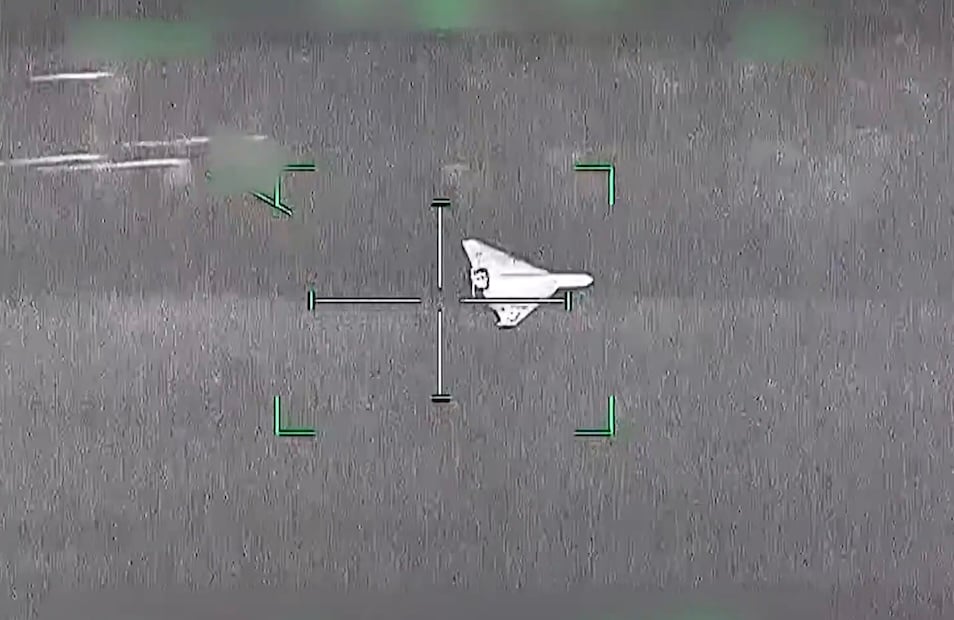
The update came as the MOD published new video footage showing Iranian drones being destroyed mid-air as the UAE’s air defence systems continue responding to the regional escalation.
In the video, released on the ministry’s official X account, air defence operators can be heard confirming “target destroyed” as incoming unmanned aerial vehicles (UAVs) are successfully intercepted.
“There is no compromise when it comes to the nation’s security and sovereignty,” the ministry said.
“The UAE Armed Forces stand ready to deter any threat.”
Latest interception figures
According to the MOD’s latest update released on Sunday, the UAE has detected more than 1,600 incoming projectiles since the conflict escalated on February 28 following US and Israeli strikes on Iran.
The figures include drones, ballistic missiles and cruise missiles.
لقطات تظهر اعتراض وتدمير الدفاعات الجوية الإماراتية طائرات مسيّرة إيرانية حاولت استهداف الدولة.
لا تهاون بأمن الوطن وسيادته… والقوات المسلحة الإماراتية جاهزة لردع أي تهديد.
Footage showing the UAE’s air defences intercepting and destroying Iranian UAVs that attempted to… pic.twitter.com/vvHmZkcBri
— وزارة الدفاع |MOD UAE (@modgovae) March 8, 2026
UAVs (drones)
- 1,422 detected
- 1,342 intercepted
- 80 impacts on land
Ballistic missiles
- 238 detected
- 221 intercepted
- 15 fell into the sea
- 2 impacts on land
Cruise missiles
- 8 detected
- 8 intercepted
The data shows that the overwhelming majority of incoming threats have been neutralised before reaching their targets, reflecting the effectiveness of the UAE’s layered air defence network.
The country operates advanced systems including THAAD and Patriot missile defence platforms, which are designed to intercept threats at different altitudes and ranges.
Iran’s Shahed drones
Many of the UAVs used in the attacks are believed to be part of Iran’s Shahed drone family, particularly the Shahed-136, which has been widely deployed by Iran in recent years.
The Shahed-136 is a loitering munition, sometimes referred to as a “kamikaze drone”, meaning it detonates on impact with its target.
Key characteristics include:
- Speed: approximately 160–185 km/h
- Range: estimated 1,000km to 2,000km
- Length: around 3.5 metres
- Wingspan: about 2.5 metres
The drones are typically launched from truck-mounted racks, allowing multiple units to be fired in quick succession.
They are relatively inexpensive compared with conventional missiles and are often built using commercially available components, including small piston engines, satellite navigation systems and lightweight composite materials such as fibreglass.
Because of their lower cost, they can be deployed in large numbers.
However, their relatively slow speed and predictable flight paths mean they remain vulnerable to interception by modern air defence networks.
Defence systems activated across the Gulf
The drone and missile campaign has targeted several countries across the Gulf since the escalation began at the end of February.
Authorities across the UAE have repeatedly emphasised that defence systems are operating as designed, with interceptions taking place before threats reach populated areas.
Officials have also stressed that national security and public safety remain the top priority as the situation continues to evolve.