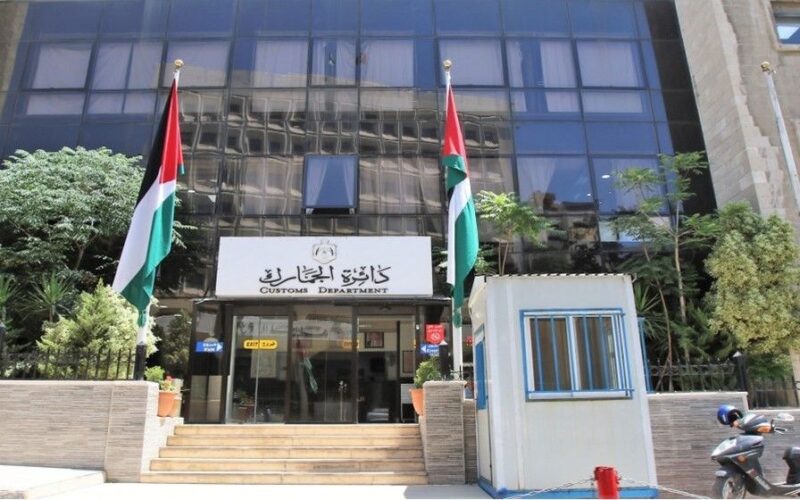
Jordan Customs has launched a new package of electronic services through the Single Entry Portal and the customer service system at the customs centre of the Zarqa Free Zone and its affiliated free zones. The services will be rolled out gradually to the Kingdom’s other free zones, according to the target groups.
The move is in line with government efforts to entrench the concept of a “paperless government” and to implement the goals of the Economic Modernisation Vision and the public sector modernisation roadmap.
By launching the package, Customs aims to unify procedures and integrate oversight work between the public and private sectors, ensuring that burdens on citizens and investors are reduced and their transactions are completed quickly and efficiently.
The package includes seven integrated electronic services. Two are designed for persons with disabilities, enabling them to complete their transactions remotely without visiting the customs centre or submitting paper documents. They cover approval for the re-export of an exempt vehicle and a replacement service for confiscated exempt engines.
The package also includes five services for other customers and investors, giving them what they need through a clear electronic process that avoids repeated requests for information. These are: a request for approval to waive public vehicles written off in favour of the Treasury; a request for approval to re-export a vehicle entered under the temporary admission scheme for foreign cars; an electronic request for the release of customs data destined for free zones; an archiving service for deposit documents; and a service to check the payment status of a vehicle.

Jordan Customs reaffirmed its commitment to strengthening the digital customs services system, with a positive impact on the national economy, facilitating trade, complying with international standards, easing the burden on merchants, importers and industrialists, and reinforcing its institutional culture and the value of the citizen as the focus of its attention.