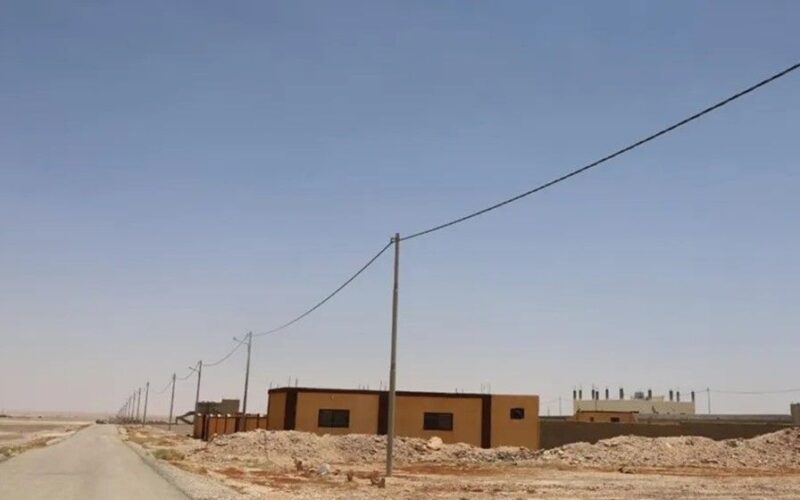
The Higher Steering Committee for the Rural Electrification Fee approved, during a meeting chaired by Minister of Energy and Mineral Resources Saleh Al-Kharabsheh, lists of homes and sites to benefit from electricity connections through conventional power grids and solar photovoltaic systems.
The number of beneficiaries reached around 331 homes and sites, at a total cost of JD1.317 million during August.
Al-Kharabsheh said the committee approved a number of projects and locations to be connected to the electricity grid through the Rural Electrification Fee, including residential communities and economic activities, as part of efforts to expand access to the service in line with amendments to the regulations governing electricity connections financed through the fee.
Hisham Al-Momani, Director of the Electricity and Rural Electrification Directorate at the Ministry of Energy and Mineral Resources, reviewed details of the decisions, noting that they covered residential homes both inside and outside designated zoning boundaries, at a total cost of around JD470,000.
To support the agricultural sector and farmers, Al-Momani said the Rural Electrification Fee covered livestock projects, including poultry, cattle, sheep and fish farms located outside zoning boundaries, with support totaling JD96,000. It also supported farms with groundwater wells outside zoning boundaries, at a cost of JD252,000.
He stressed that the support is aimed at assisting farmers, advancing the agricultural sector, contributing to food security and strengthening self-reliance. The Rural Electrification Fee also covered productive, industrial, investment and tourism projects, as well as economic activities, provided they contribute to creating jobs for Jordanians from the areas where the projects are implemented.
Such support, he said, contributes to local community development and expands employment opportunities, with funding for these projects totaling around JD336,000.
Al-Momani said the Rural Electrification Fee also contributed to connecting electricity to several projects operated by government sectors, at a total cost of around JD38,000.
The decisions also included approval for lighting roads leading to cemeteries at a cost of JD21,000, making it easier for citizens to access cemeteries and bury their deceased during nighttime hours.
In terms of utilizing alternative energy sources, the committee approved the installation of grid-connected solar photovoltaic systems for 49 homes belonging to low-income families and beneficiaries of the National Aid Fund, at a cost of JD49,000.
The initiative aims to reduce monthly energy bills for these households, thereby improving their disposable income and economic well-being.
Al-Momani also said the Rural Electrification Fee contributed to upgrading the capacity of electrical substations established through the fee over the past 10 years, in order to address low-voltage issues and reduce electricity losses, at a cost of JD55,000.
The ministry affirmed that work will continue to develop and improve electricity connection services financed through the Rural Electrification Fee, ensuring higher-quality, professional and more comprehensive services.
It called on those seeking electricity connections for homes and facilities to submit applications in accordance with the regulations approved by the Cabinet and relevant decisions of the Higher Steering Committee.
Related Stories