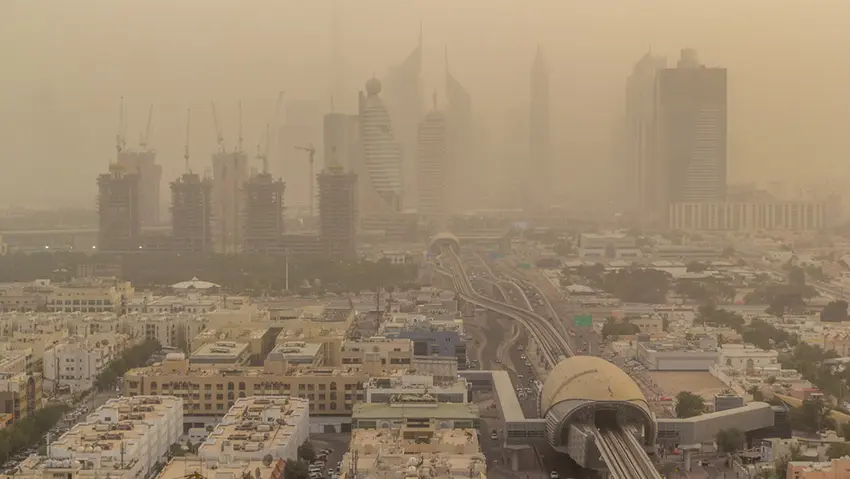
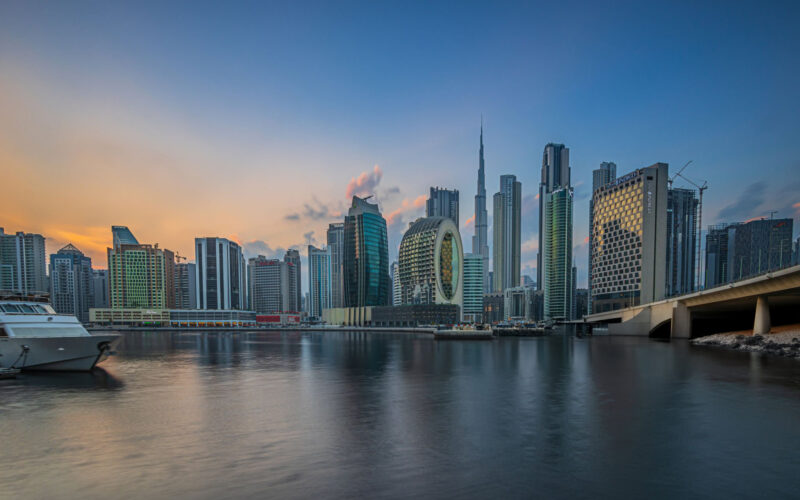
Right now, in light of recent events, the state of Dubai’s real estate market is causing considerable concern among investors, developers, and buyers. The tense situation in neighbouring countries has certainly had an impact, but this is not the first time the emirate has faced challenges, and it has consistently demonstrated an ability to respond effectively.
Dubai has faced major real estate challenges before and repeatedly shown its resilience. During the 2008 Global Financial Crisis, property prices fell by 50–60% from their peak as Dubai World, the government-owned conglomerate behind major projects including Nakheel, struggled under approximately $59 billion in debt. The situation was stabilised through government intervention, financial support from Abu Dhabi, and a large-scale debt restructuring, allowing the market to recover over the following years.
A similar pattern emerged during the COVID-19 pandemic. Despite global economic disruption, Dubai managed to support its real estate sector through investor-friendly policies, strong digital infrastructure, and the rapid reopening of economic activity, helping the market recover faster than many international cities.
Recent market data suggests that Dubai’s residential sector is entering a period of adjustment following several years of exceptional growth. While concerns about the market have intensified amid regional geopolitical uncertainty, the current slowdown appears to be a period of rebalancing rather than a broad-based correction.
The moderation is evident across the wider residential market. Total transactions declined from 17,278 in January to 10,130 by late June, representing a reduction of more than 41%. This suggests that buyers are taking longer to evaluate opportunities and adopting a more measured approach to investment decisions.
At the same time, market performance has become more segmented. The ready and resale market has demonstrated considerably greater resilience than the off-plan sector. While transaction volumes for completed properties declined from 5,941 to 2,879 deals, median prices increased from AED 1.40 million to AED 1.67 million. This indicates that demand remains concentrated in completed and income-generating assets, where investors can more accurately assess value and cash-flow potential.
The most significant adjustment has occurred within the off-plan segment, which has been one of the primary drivers of Dubai’s real estate expansion in recent years. During the boom period, investors were attracted by the opportunity to enter projects at an early stage of construction and benefit from capital appreciation before completion. Strong demand, abundant liquidity, and positive market sentiment encouraged both end-users and speculative investors to participate in the market.
However, changing market conditions have altered investor priorities
Between January and 23 June 2026, off-plan transaction volumes fell from 11,337 to 7,251 deals, representing a decline of approximately 36%. Over the same period, median prices declined from AED 2.02 million to AED 1.09 million, while the primary off-plan market experienced an even sharper repricing, with median values falling from AED 2.01 million to AED 1.03 million.
These figures indicate a clear shift in market behaviour. The speculative activity that helped drive rapid growth in recent years appears to be moderating as buyers place greater emphasis on liquidity, certainty, and capital preservation.
One of the clearest indicators of this shift is the changing relationship between off-plan and completed properties. At the beginning of the year, the median off-plan transaction value exceeded that of the median ready-home transaction by more than AED 600,000. By June, that relationship had reversed, with ready properties commanding a premium of nearly AED 600,000. This suggests that immediate occupancy and income potential are becoming increasingly important considerations for buyers.
Several factors have contributed to these changes. Higher global interest rates have increased borrowing costs, while geopolitical uncertainty and volatility across international financial markets have encouraged investors to prioritise asset quality and downside protection. At the same time, a substantial pipeline of upcoming residential completions is expected to increase competition across segments and place additional focus on project quality, pricing, and delivery timelines.
While further adjustments cannot be ruled out, the market is showing signs of normalisation rather than distress. Market activity is expected to remain relatively subdued throughout the summer months, with a clearer indication of longer-term direction likely to emerge during the autumn as seasonal demand returns and current uncertainties become more fully reflected in transaction data.
As market conditions become more complex, investors are placing greater emphasis on independent research, direct access to information, and the ability to compare opportunities efficiently. This is driving demand for digital platforms that enable more informed decision-making and provide buyers with greater control over the transaction process.
Nevertheless, the underlying fundamentals of Dubai’s economy remain strong. The emirate continues to attract international businesses, entrepreneurs, and high-net-worth individuals, while ongoing economic diversification reduces reliance on traditional sectors. Although the market is clearly transitioning away from the exceptionally rapid growth seen in recent years, the current slowdown appears more consistent with a period of rebalancing than the beginning of a systemic downturn.
As the market matures, technology is playing a growing role in improving accessibility and information availability. One example is Proffer, an agent-free real estate platform that allows buyers to explore listings directly, compare properties, and engage with the market without relying on traditional intermediaries.
Overall, while short-term uncertainty may continue to influence sentiment, Dubai’s institutional strength, global connectivity, and track record of effective crisis management continue to support its long-term position as one of the world’s leading real estate investment destinations.