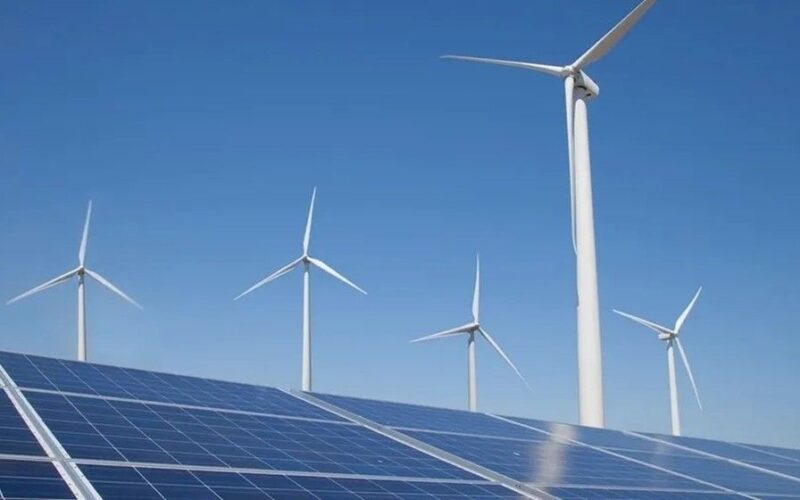
Amman – A recent international report confirmed that Jordan stands out as a prominent model in the Levant region regarding efforts to achieve the Seventh Sustainable Development Goal (SDG 7). The country has managed to achieve near-universal electricity access at approximately 100%, in parallel with a remarkable expansion in solar and wind energy projects that have enhanced the diversification of the national energy mix.
SDG 7 aims to ensure access to affordable, reliable, sustainable, and modern energy for all by 2030, while increasing the share of renewable energy sources and improving energy efficiency.
A recent report issued by the United Nations Economic and Social Commission for Western Asia (ESCWA) noted that the Kingdom still faces challenges related to modernizing electrical grids, integrating digital systems, improving data quality, and enhancing cyber readiness to accommodate the rapid expansion of renewable energy sources. This requires urgent investments in digital governance and cybersecurity measures to ensure the seamless integration of renewable energy projects into the national grid.
The report highlighted Jordan’s prominence in the renewable energy sector, noting that the country is a major producer and consumer of solar energy, and is one of the few nations in the region to achieve substantial growth in wind power. This drive toward diversifying energy sources bolsters Jordan’s resilience against global fuel price shocks during crises.
The report evaluating the Arab countries’ progress toward achieving SDG 7 stated that Jordan is among the Levant nations that managed to register a modest improvement in energy intensity, dropping from 3.15 megajoules per dollar in 2014 to 3.07 megajoules per dollar.
On the other hand, the report pointed out that this energy stability faces continuous pressures resulting from regional conflicts, displacement, and migration trends. These factors have generated informal demand and, at times, placed an additional strain on national electricity systems.
Shifting to the broader reality of Arab countries, the report revealed that the percentage of electricity access in the region rose from 88.8% in 2014 to 92.2% in 2024. Meanwhile, access to clean cooking services stabilized at 84% in 2024, with clear gaps remaining between urban and rural areas, particularly in least developed and conflict-affected countries.
The report explained that the share of renewable energy out of total final energy consumption in the region did not exceed 4.84% in 2023. Meanwhile, primary energy intensity saw limited improvement, moving from 4.56 megajoules per dollar in 2014 to 4.31 megajoules per dollar in 2023. It noted that the Gulf countries achieved universal electricity access, while the Levant and Maghreb regions came close to it, at a time when countries like Somalia, Sudan, and Yemen continue to face major challenges in both electricity and clean cooking access.
Furthermore, the report noted that recent regional conflicts and geopolitical tensions have exposed the fragility of energy systems in the region. Approximately 20 million barrels of oil and 19% of global liquefied natural gas (LNG) trade pass daily through the Strait of Hormuz. Consequently, any disruption there directly impacts Arab energy security, which worsens the burden of rising fuel costs for fragile and energy-importing economies. It also poses a risk of delayed supplies and inflationary pressures that weaken household purchasing power and hinder the transition toward clean cooking.
The report recommended accelerating investments in modernizing energy infrastructure, expanding decentralized solutions for remote areas, and enhancing energy efficiency and digital transformation. It also called for expanding Arab cooperation in the fields of electrical grid interconnection and energy exchange to boost energy security and sustainability across the region.