
87 Vs. 89 Octane: What’s The Difference Between These Fuel Grades?
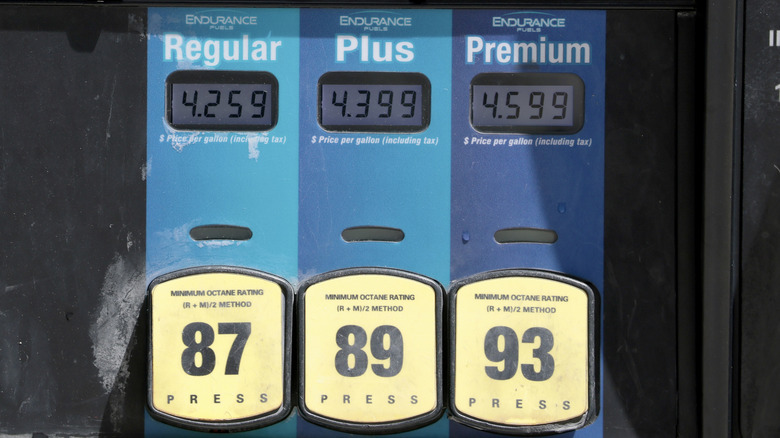
The next time you refuel, you may notice several different grades of gasoline for sale. You are probably familiar with regular unleaded and premium unleaded. But there is another grade in between, which can be called “Plus” like above, or by another name.
A gasoline’s octane rating is typically shown by a large number on the pump. According to the U.S. Energy Information Administration, 87 octane is regular, mid-grade gas is 89 or 90 octane, and premium is between 91 and 94. What the different octane numbers show is each fuel’s resistance to knocking, with higher octane numbers indicating a higher knock resistance.
Knocking coming from your engine, also called premature detonation, means your fuel is not burning evenly in one or more cylinders, which can have numerous causes and will result in serious damage if not fixed promptly. While engines with higher performance levels tend to require premium fuel <a href="https://jordangazette.com/4-amazon-finds-that-outshine-home-depot-in-price-and-quality/”>that is less likely to knock, average, lower-stressed engines should be fine with regular gas. The 89 octane mid-grade falls in the middle.
The origin story of 89 octane unleaded starts in 1975, when the EPA banned leaded gasoline and the transition to unleaded began, long before top tier gas existed. Because unleaded gas requires more processing compared to leaded gas, unleaded premium cost more than its leaded equivalent. Gas station operators marketed this 89-octane gas for less than premium, with higher octane than regular. It never really caught on, currently amounting to eight percent of total gasoline sales. No vehicles made today require 89-octane fuel.
Is there ever a reason to use 89 octane gas instead of 87 octane regular?
If your vehicle runs fine on regular, without any pinging or knocking sounds, and you are maintaining it according to the manufacturer’s recommended service intervals, there is nothing to do. Continue using regular in your car, because you don’t have a problem, even though gas prices just hit a four-year high. If you are in doubt, check your owner’s manual for the correct fuel recommended by the manufacturer.
But let’s say that your engine pings or knocks when using regular gas. While this can be caused by gas that is too low in octane, it can also be a result of a build-up of carbon deposits in your engine’s combustion chambers, worn spark plugs, an air/fuel mixture that’s too lean, bad spark timing, or an engine that is overheating. It’s probably a good idea to make a date with your mechanic, so that you can rule out all of the non-fuel-related issues first. Otherwise, you may be paying more for that higher octane fuel without seeing any benefits, which is a fuel myth you really should stop believing.
In case you are wondering about how 89-octane, a type of gasoline that makes up a measly eight percent of the market and is not required in any production vehicles, can still be offered at the pumps, there’s a little trick to how it is made. The 89-octane gas is made by blending high-octane premium with low-octane regular, which can usually be done right at the pump. So, whoever wants it is free to buy it.