
88 Vs. 89 Octane: <a href="https://jordangazette.com/whats-the-average-car-insurance-rate-at-every-age/”>What‘s The Difference Between These Fuel Grades?
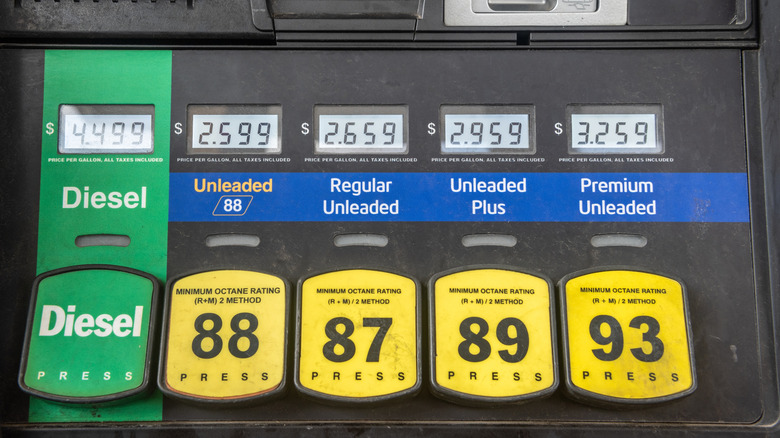
If you’re a new driver, you may be confused the first time you pull up to the gas station. Most pumps offer a selection of fuel types labeled with a number. Those numbers aren’t the price but rather indicate the grade of the fuel, or octane rating. Many pumps offer 87, 89, and 91, but other grades are available. That octane rating measures how stable the fuel is based on how much pressure it can handle before it ignites. A higher octane number indicates that the fuel is more stable. Regular fuel is rated the lowest at 87, mid-grade fuel is usually rated between 89 and 90, and premium fuel (which doesn’t provide as much benefit as you might think) is rated at 91 to 94. So where does 88 fall into the mix?
Unleaded 88 gas is also called E15. It’s considered a biofuel blend, made up of 85% gasoline and 15% ethanol. Because ethanol boosts the octane rating, it gets a higher grade than regular 87, but lower than the “mid-grade” 89, falling in-between. 88 octane is typically cheaper than 89 octane due to federal ethanol subsidies. It also burns cleaner, making it a healthier choice for the environment, and it’s also good for your engine.
Unlike 89-octane fuel, the 88-octane option is not available everywhere. However, it is legal for sale in every state except California. The blend is often prohibited during warmer months because it may increase smog, but in March 2026, as gas prices were rising, the EPA granted authorization for year-round sales of E15 as a possible cost-cutting measure.
How much is 88 octane, and who can use it?
The national average for a gallon of gas is above $4.50 at time of writing. When it hit $4 in April 2026, it was the first time in four years Americans were shelling out more than $3.99 per gallon. If you’re filling up with mid-grade or premium fuel, you’re probably paying even more. Many of us would be grateful to save a few dollars, but is 88 octane safe for your car?
The EPA has approved 88-octane fuel for 2001 model vehicles and newer. If your car typically takes a premium blend, you should check your vehicle manual or ask your mechanic before filling up. Additionally, there are no modern vehicles that require 89-octane fuel, which means 88 octane is cleared for all engines that don’t require premium. However, unleaded 88 has not been approved for non-automotive uses like in boat or lawnmower engines. According to the U.S. Department of Energy, there are more than 3,000 gas stations in the U.S. selling 88 octane fuel. You can visit the Get Biofuel Fuel Finder to locate your closest gas station selling the blend.
The price difference between 88 and 89 varies, but most people can expect to save up to 20 cents a gallon. A difference of a few pennies may not seem to make the change worth it, but even a ten cent difference could mean a savings of over a dollar depending on how big your gas tank is. It’s not much, but it will add up over time. You likely won’t notice a change in your car’s performance, though 88-octane can give your horsepower a small boost. Keep an eye on your miles per gallon to be sure you’re not burning through the fuel faster, however, which could mitigate any cost savings at the pump.
Related Stories