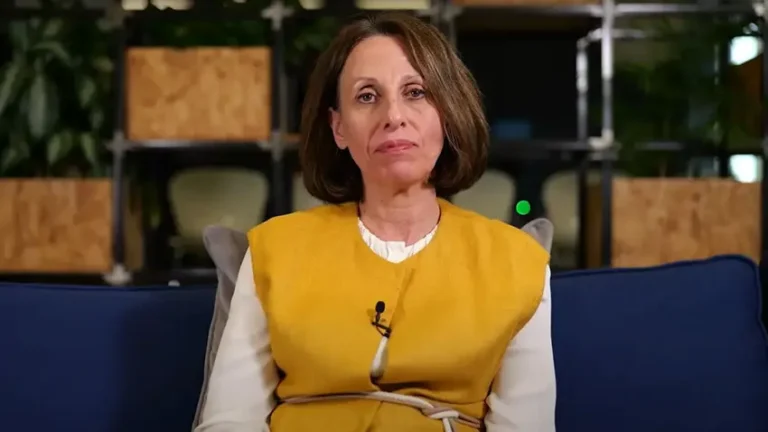

The UAE’s Attorney-General, Dr Hamad Saif Al Shamsi, has issued a strong warning against photographing, publishing, or circulating images and videos documenting sites affected by projectiles or shrapnel.
Al Shamsi stressed that sharing such materials, or disseminating inaccurate information, could incite public panic and create a misleading perception of the country’s actual situation. He noted that competent state institutions are performing their duties efficiently to maintain community safety, while daily life continues normally. Authorities are implementing all necessary measures to manage developments effectively, according to a WAM report.
Legal consequences for violators
The attorney-general highlighted that despite repeated warnings from authorities, some individuals continue to film incident sites and share them on social media. He emphasised that publishing or circulating such footage, or spreading misleading information, constitutes a violation of the law if it leads to public panic, the spread of false news, or harms public order.
Read more-UAE banks keep digital services running despite disruption
Citizens and residents who ignore these rules face legal accountability under current legislation.
Warnings against fabricated content
Al Shamsi also issued a caution against creating or sharing fabricated clips, including those produced using artificial intelligence or digital manipulation. This includes videos falsely claiming missile strikes, attacks on facilities, or attributing events that did not occur. He affirmed that intentionally misleading the public through such content is a criminal offense, and the Public Prosecution will take legal action against perpetrators without leniency.
He urged the public to follow the law and obtain information solely from official sources, underlining the importance of preserving national security and stability. Al Shamsi reiterated that refraining from filming or resharing content related to incidents ensures that authorities can manage situations efficiently and safeguard public trust.