
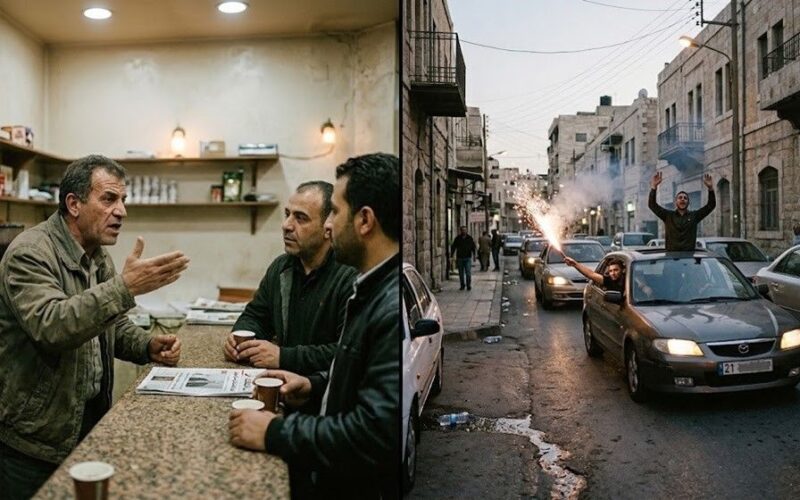
We criticize governments, and whenever a minister makes a mistake, we don’t let it go we go after them with sharp tongues, using every means available. This is justified, since the constitution protects freedom of criticism, especially when it doesn’t cross into people’s private affairs.
At the same time, criticism of mistakes at the public level should also be tolerated, because criticism doesn’t exempt anyone, and no one has immunity, except when it comes to their home and family. Beyond that, criticism is legitimate when it relates to a public matter or affects the lives of Jordanians, since the issue here isn’t fundamentally personal or individual.
I sometimes feel there’s a deliberate public stubbornness in the face of every government message, and I can’t find an explanation or interpretation for it. Does this reflect anger, or simply stubbornness, or indifference, or is it a form of defiance and an attempt to diminish authority?
Take, for example, all the state’s messages about water scarcity, the problems in the water file, and reduced water pumping. Despite that, you find neighbors everywhere wasting large amounts of water watering gardens, washing cars, and letting water flow from their doorways into the streets. You feel sympathy for the media, which can’t convince anyone of the scale of the water crisis, and you’re left puzzled by people who won’t stop the waste, even just to avoid excess.
Here’s another example: take the traffic violation cameras. We all complain about how numerous they are, about the idea of financial extraction behind them, and about licensing delays due to unpaid fines. Yet, in return, most of us defy the cameras and speed up anyway. I’ve seen young men circling their cars at reckless speeds near a camera, waving at it as if sending messages of longing and greetings and you can’t understand why everyone insists on practicing rituals of defiance.
Even state warnings against celebratory gunfire have only partially succeeded in reducing shooting, after many lost their lives to stray bullets, yet the gunfire continues. Whoever doesn’t want to fire their (automatic weapon) or pistol instead sets off fireworks, because what matters is the bang and the loud noise. If the person celebrating gave the cost of those fireworks to charity instead, for God’s sake, they would win on both counts rather than this stubbornness that doesn’t suit us.
The same goes for graduation convoys. Despite being announced as prohibited, and despite closing roads in the face of travelers or emergency and ambulance situations, many now exaggerate their convoys even more, even removing their license plates, thinking they can evade the police while modern technology can track down any car and its owner, even if the car is draped in cloth. You’re left wondering whether this is a desire to defy the law, break it outright, or simply an expression of stubbornness.
We travel often and comply with the rules of the countries we visit, not smoking inside institutions and facilities. Yet here, despite the ban, you see people lighting cigarettes in ministries and government departments I’ve even seen them smoking in patients’ hospital rooms. You don’t know whether the law has simply died, or whether we’re not afraid, or whether each of us has powerful connections protecting us if we get into trouble, or whether each of us considers himself an independent center of influence.
Defying the law, public stubbornness, and disregarding any message on any issue is a phenomenon that needs analysis: are we expressing a “domineering ego” that breaks the law, or expressing resentment, or simply not caring about any financial or legal penalty? Or does each of us bet that someone else will be punished while he alone will get away with it? Or does each of us feel he’s above the law, with no one entitled to question him?
Or have we simply grown used to the fact that there’s no harshness in Jordan, no tyranny, no vengeance, a virtue we should be thankful to God for, not push further in ways that tarnish the reputation of this country, which has remained safe and secure for everyone in it.
We want public stubbornness to fade away and we want harshness to remain absent too.
Related Stories

DNA and the Scientific Value of Jordanian Amber

A City That Has Nothing to Do with the War