Not every absence marks an ending. Some men leave this world physically, yet leave behind contributions that keep their presence alive. Their names remain witnesses to an era in which they made a difference, when beginnings were difficult, resources were limited, and faith in success was the most valuable form of capital.
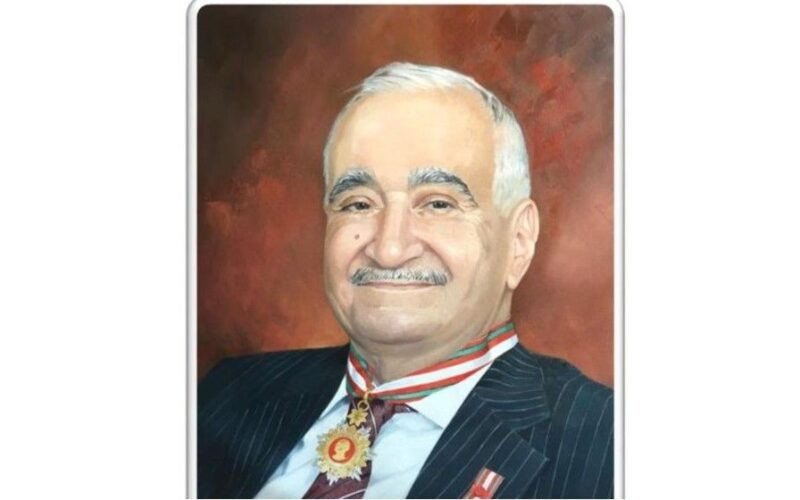
Eleven years have passed since the death of Nasser Najeeb Qawar, known as Abu Awni, yet the story of this man still deserves to be told—not only as a tribute to his memory, but because his life reflects an important chapter in the development of Jordan’s tourism sector. His career also offers an example of a businessman who never separated his professional ambitions from his love for his country.
May God have mercy on Abu Awni, a man who did not wait for Jordan to become a global tourist destination before believing in it. He believed in Jordan when resources were limited and when promoting the Kingdom to the world required patience, perseverance and unwavering determination.
He saw in his country far more than what a passing observer could see. He saw a history worth telling, a land worth discovering, and opportunities waiting for someone willing to believe in them and work to realize them. From that conviction began his journey, with tourism becoming for him a national mission before it was a profession or an investment.
In 1965, he founded Petra Travel and Tourism Company, at a time when Jordan’s tourism infrastructure had not yet reached the level known today. The road was not easy, and success was never guaranteed, but he possessed something more important than favorable circumstances: a clear vision and a firm belief that Jordan deserved a place in the world’s tourism landscape.
From that point on, Abu Awni carried Jordan’s image abroad. He traveled, met with people, promoted the country and worked to convince tourism and airline companies that this relatively small country, with its immense historical heritage, had everything needed to become a destination worthy of exploration and discovery.
He later expanded into hotel investments in the Dead Sea, Aqaba and Petra, and contributed to the establishment of the Jordanian Tourist Transport Company, Alfa. He understood that tourism could not depend on archaeological sites alone, but required an integrated system of hotels, transportation, services and international relations.
He was a man who thought about the future at a time when many were still preoccupied with the challenges of the present. When he established a project in an area lacking basic services, he did not do so because he failed to see the difficulties. Rather, he saw what the area could become if someone had the courage to take the first step.
This is where Abu Awni’s true value lies. He did not wait for all the necessary conditions to be in place before taking action. He was willing to endure the hardships of beginnings, believing that what is built today with sincerity could tomorrow become part of the nation’s economy and collective memory.
Abu Awni is gone, but the passage of time has not erased the question his life story poses to younger generations: How was one man able to see so much potential in Jordan and devote decades of his life to promoting, defending and investing in it?
The answer lies not only in the hotels, tourist buses or companies he helped establish, but in the spirit that believed serving the nation does not always have to come from an official position. An investor can be a partner in building his country, and true success is not measured solely by what a person achieves for himself, but also by what he contributes to the place to which he belongs.
Eleven years after his passing, we do not write about Abu Awni merely to revisit the past. We remember that nations owe a debt to their pioneers—those who believed in them when they needed belief, and worked quietly when results required years to emerge.
May God have mercy on Nasser Najeeb Qawar, Abu Awni, and may his good memory remain alive in the hearts of Jordan and its people.
He was one of those who did not simply love his country, but turned that love into continuous work and his belief in it into a lifelong mission.
Eleven years after his passing, the lesson remains: a person may leave this world, but what he plants with sincerity in the land of his country does not leave with him.