The impact of the Middle East conflict is now being felt far beyond energy markets, with London’s food supply chain coming under growing pressure as rising fuel costs and disrupted logistics begin to filter through to traders and restaurants.
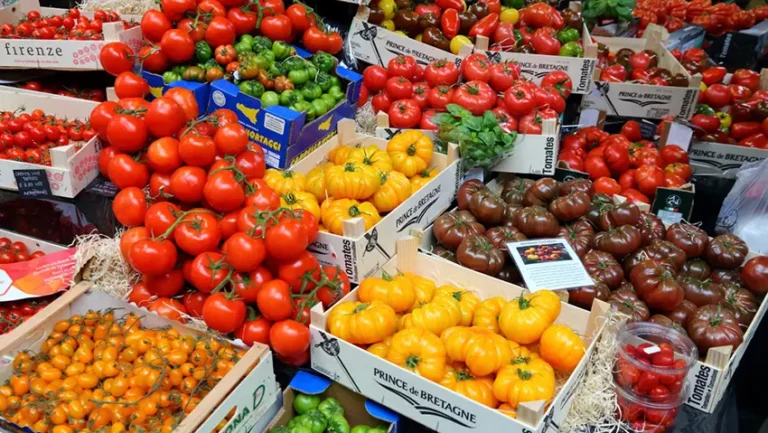
At New Covent Garden Market in Nine Elms, a key hub supplying some of the capital’s most prestigious restaurants and hotels — traders say the situation has become increasingly challenging in recent weeks.
Already grappling with difficult growing conditions across Europe, including flooding in Spain and an unusually warm winter in the UK, suppliers are now facing a new wave of cost pressures linked to the surge in oil prices following the Iran conflict.
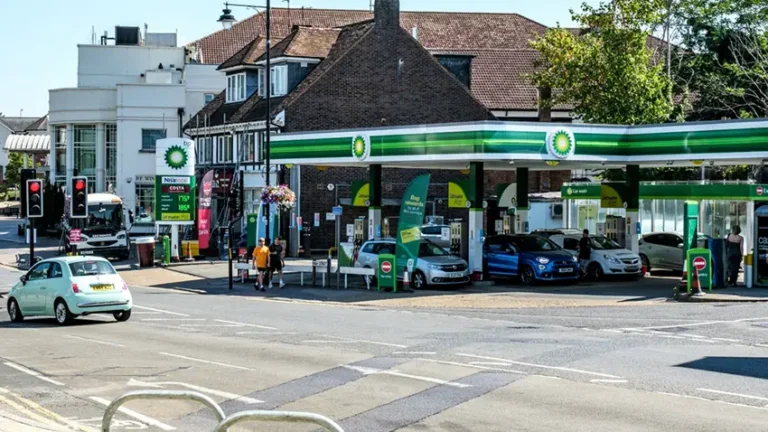
Brent crude has climbed above $115 a barrel, driving up the cost of transporting fresh produce by road, air and sea. For a market heavily reliant on imports, particularly at this time of year, the implications are immediate.
Gary Marshall, chairman of the Covent Garden Tenants Association, said traders are increasingly concerned about the broader economic environment and the knock-on effects of the conflict.
“The people in the market are obviously going to be feeling like everyone else, very concerned,” he said, pointing to the cumulative impact of rising <a href="https://jordangazette.com/british-business-bank-backs-dexory-with-8-5m-to-scale-ai-warehouse-tech/”>business rates, tariffs and supply chain disruption.
The challenge is not just higher costs, but also the reliability of supply. With traditional routes disrupted and shipping costs rising, traders are being forced to source produce from alternative markets, often at short notice and higher expense.
For suppliers like Marcus Rowlerson, managing director of Le Marché, the situation has become a daily balancing act. His business, which supplies high-end establishments including The Ritz and Claridge’s, has had to diversify its sourcing to maintain consistency.
“We’re bringing in produce like tender stem broccoli from Kenya and Spain,” he said. “But flying goods in or even securing flights has become more difficult, and the supply chain is now intermittent.”
The timing of the disruption is particularly problematic. With the UK still in a seasonal gap before domestic harvests ramp up, suppliers remain heavily dependent on imports for many fresh products such as herbs and citrus fruits.
“If this were May or July, we could rely much more on local produce,” Rowlerson noted. “At the moment, options are limited.”
The rising cost of sourcing and transporting ingredients is beginning to feed through to restaurants, many of which are already operating on tight margins.
Rowlerson warned that his clients have limited capacity to absorb further increases, particularly as additional duties and cost pressures are expected in the coming months.
This creates a difficult environment where suppliers must balance maintaining quality and reliability with managing escalating costs — without alienating customers.
Some traders have also raised concerns about how price increases are communicated to the public.
Marshall criticised what he sees as a tendency among larger retailers to quickly pass on cost increases, sometimes overstating supply shortages.
“The minute there’s any sort of problem, they say there’s a shortage and prices go up,” he said. “That’s not always the full picture.”
Maintaining trust with customers is seen as critical, particularly in the premium segment of the market where relationships and consistency are key.
The challenges facing London’s food markets reflect broader concerns about the resilience of the UK’s food supply chain.
Rising energy costs, climate-related disruptions and geopolitical tensions are converging to create a more volatile environment, with implications for availability, pricing and long-term sustainability.
While traders at Covent Garden remain determined to adapt, the current situation highlights the vulnerability of a system that depends heavily on global supply networks.
For now, suppliers are focused on navigating the immediate disruption, sourcing alternative products, managing costs and maintaining supply to customers.
However, if energy prices remain elevated and geopolitical tensions persist, the pressure on food supply chains is likely to intensify, with potential knock-on effects for both businesses and consumers.
As one of London’s key food distribution hubs, New Covent Garden Market offers an early glimpse of how global events can ripple through to everyday essentials, from the availability of fresh produce to the price of a meal in the capital’s restaurants.