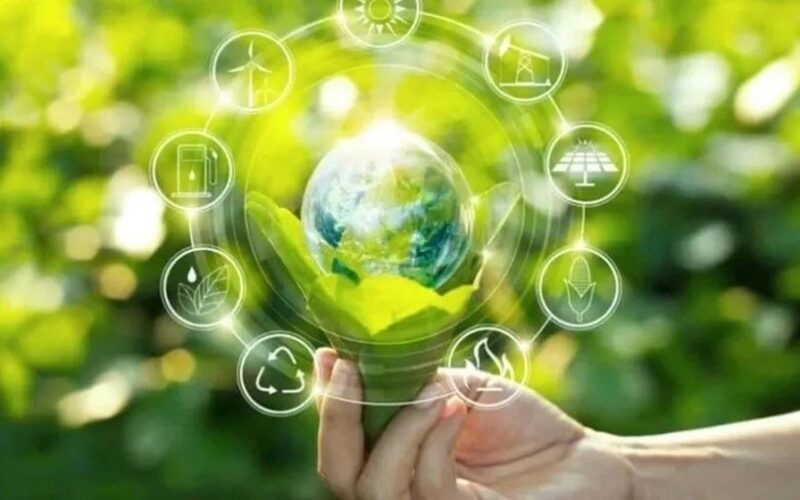
Green energy is emerging as a strategic opportunity to enhance Jordan’s attractiveness to European investors amid the accelerating transition toward a low-carbon economy. Jordan has significant potential in solar and wind power, as well as competitive advantages, a strategic location and trade agreements that provide access to regional and international markets.
Jordan is offering investment opportunities with a combined value of nearly $15 billion as part of preparations for the Jordanian-European Investment Conference, scheduled to be held at the Dead Sea on November 19.
The conference will focus on a number of strategically important sectors, including transport and logistics, energy, the digital economy and technology, industry and water security, while also strengthening Jordan’s role as a regional economic and investment gateway.
Experts and representatives of the commercial and industrial sectors say maximizing these opportunities requires moving beyond renewable energy generation toward attracting green industries, developing clean-energy technologies and providing energy at competitive prices. They also stressed the need to improve the investment environment and simplify procedures to facilitate technology transfer, create jobs, increase exports and strengthen the competitiveness of the national economy.
The Ministry of Environment recently began providing technical support to update the second phase of green growth plans for the energy, transport, agriculture, water, tourism and waste sectors. The initiative is supported by the European Union Delegation to Jordan and builds on the outcomes of the National Green Growth Action Plans for 2021–2026, in line with the priorities of the Economic Modernization Vision and the requirements of the next phase.
The Cabinet approved an updated energy sector strategy for 2026–2030 last May. The strategy aims to complete hydrogen projects and gradually begin hydrogen exports from 2030, reaching 500,000 tons by 2035. It also seeks to develop the Kingdom’s public transport system, expand the use of electric vehicles, introduce incentives and use vehicle batteries to feed electricity back into the grid through vehicle-to-grid (V2G) technology, promote natural gas use in heavy vehicles, operate railways for freight transport, improve building efficiency, implement energy codes and expand the use of solar water heaters.
Mohammad Al-Samadi, CEO of Business Development at Al-Emlaq Industrial Group, said green energy represents one of the most significant opportunities available to Jordan to attract new European investment, amid Europe’s accelerating shift toward clean energy, emissions reduction and diversification of energy sources and supply chains.
He said Jordan has several competitive advantages in this field, most notably abundant solar and wind resources, its geographic location and stability, as well as its relations with the European Union and trade agreements that provide access to multiple markets.
Al-Samadi added that Jordan’s opportunities extend beyond generating electricity from renewable sources to include hydrogen, green ammonia, energy storage, green industries and the manufacturing of clean-energy components and technologies. They also include attracting European industries seeking more competitive production locations with lower carbon emissions.
He noted that using green energy as a tool to attract industrial investment would increase the added value of the national economy and open new prospects for developing the local productive base.
Al-Samadi explained that attracting European investors requires not only the availability of renewable energy sources, but also clear legislation, faster procedures, suitable infrastructure and clearly defined, bankable projects that can strengthen access to international markets.
He stressed that Jordan has an opportunity to shift from importing clean-energy technologies to participating in their production, manufacturing and export, which would help attract new investment, create jobs, transfer technology, increase exports and strengthen the competitiveness of the national economy.
Meanwhile, Dr. Fadi Al-Atrash, Director General and Board Member of Amman Pharmaceutical Industries Company, said green energy represents one of the most important opportunities available to Jordan to attract new European investment, particularly as investors increasingly focus on sustainability and reducing their carbon footprint alongside production costs.
Al-Atrash said Jordan has competitive advantages in this field, including abundant solar and wind resources, its strategic location, stability, skilled human resources and trade agreements providing access to important markets.
He added that the opportunity is not limited to producing and exporting green energy, but also lies in using it to attract European industries that could establish production centers in Jordan powered by clean energy and export products to European and regional markets.
He said achieving this requires providing green energy at competitive prices, alongside creating an attractive investment environment and simplifying procedures, thereby strengthening Jordan’s ability to attract industrial investment and improve the competitiveness of its products in foreign markets.
Al-Atrash stressed that integrating these factors would give Jordan a genuine opportunity to strengthen its role in clean-energy-related production and supply chains and transform its renewable-energy potential into new industrial investment, jobs and added value for the national economy.
For his part, Ghassan Naql, Chairman of Naql Group and Chairman of the Board of Fine Hygienic Holding Group, highlighted the importance of green energy for European countries, stressing that Jordan has the capabilities needed to invest in alternative energy sources, including solar and wind power.
He said technological advances have made it possible to use natural gas to generate energy for industrial purposes, while technologies can also be deployed to reduce emissions, further strengthening Jordan’s prospects for attracting European investment in the energy sector.
Source: Petra