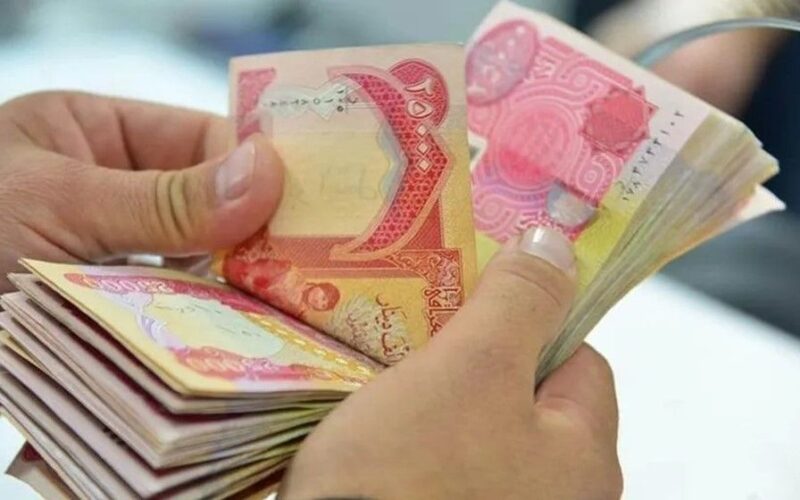
The Central Bank of Iraq has devalued the dinar against the U.S. dollar by nearly 15%, reversing its previous position against adjusting the exchange rate amid mounting financial pressures linked to the Iran war and disruptions to oil exports.
The central bank on Wednesday raised the official exchange rate for dollars sold to the public to 1,520 dinars per dollar, from 1,320 previously, according to the Iraqi News Agency.
The devaluation comes less than four months after the government and central bank reaffirmed that there were no plans to alter the exchange rate, despite pressure on the currency in the parallel market. Before the devaluation, the dollar was trading between 1,420 and 1,490 dinars in the unofficial market, while it is now trading between 1,610 and 1,690 dinars per dollar.
Iran War Adds to Financial Pressure
Pressure on Iraq’s public finances intensified after the outbreak of the Iran war and the closure of the Strait of Hormuz. Baghdad relies heavily on oil revenues to finance government spending, while disruptions to part of its exports have reduced dollar inflows into the country.
The Iraqi government said in June that it had no plans to print money or devalue the dinar to compensate for liquidity shortages. The central bank also denied plans to change the exchange rate after a forged document circulated suggesting that the dollar could be raised to 1,600 dinars.
The decision came about three and a half months after Nizar Nasser Hussein took over as central bank governor, replacing Ali Mohsen Al-Alaq on June 21. It also came as Iraq faced growing pressure from declining oil exports and increased international scrutiny of its efforts to combat money laundering and terrorist financing.
Rising Financial Burden
The Iraqi government needs to secure at least 10 trillion dinars each month to cover salaries and public expenditure, according to previous government statements. Oil accounts for around 90% of the budget’s revenues.
These pressures have prompted Baghdad to explore options for financing its needs. Mazhar Mohammed Saleh, an adviser to the Council of Ministers on financial affairs, told Asharq Bloomberg in June that Iraq was consulting the International Monetary Fund on the type of assistance it might require if the effects of the war persisted for a longer period.
Bloomberg Economics previously estimated that Iraq would need around $75 billion to maintain the dinar’s fixed exchange rate against the dollar, from foreign reserves of about $100 billion on the eve of the war.
At the same time, the government is seeking to reduce the public finances’ exposure to fluctuations in oil markets.
Prime Minister Ali Faleh Al-Zeidi formed a committee tasked with reducing the budget’s reliance on oil to 45% over the next 10 years, from around 90% currently, by increasing non-oil revenues, including border-crossing fees, customs duties and tax collection.
Source: Al Ghad / Bloomberg