Small and medium sized enterprise refers to businesses that are defined by revenue rather than by industry. SMEs are grouped into different micro, small, and medium categories based on revenue, and sectors from manufacturing and retail to services. Most owners of medium sized enterprises know how artificial intelligence can fit into their business. There are AI tools that can save time for these businesses like a chatbot on their website and an artificial intelligence writing assistant for social media captions. SMEs are usually located in different countries in the Middle East And North Africa Region such as Egypt, Morocco, United Arab Emirates, Saudi Arabia. On the other hand, there are different stages of business growth. The first stage is when a business is just starting out and is focused on developing an idea. The second stage is when a business is growing and making money getting more customers and becoming known in its market. The third stage is when a business is expanding and becoming much bigger getting into markets and possibly doing new things. The fourth stage is when a business is established and focused on being efficient making money and keeping its place in the market. The last stage is when a business is declining, which can happen when it faces a lot of competition in the market. This article will discuss the following: the factors driving SME growth — and where AI fits in, where AI actually helps SMEs, common mistakes SMEs make with AI, and a case study.
Factors Driving SME Growth — and Where AI Fits In
There are different factors that can help a small and medium sized enterprise grow. First access to finance; businesses are not easy to earn money to grow in the Middle East And North Africa Region. Artificial intelligence helps SMEs by reducing the amount of money a business needs to compete. Second, market access is difficult and expensive. But, artificial intelligence can help a business reach new customers and markets without needing a big sales team or a lot of money for marketing. Third, AI is not about having a website or selling things online, it is about using artificial intelligence to make the business run better. Also it can be hard for a medium sized enterprise to find the right people to work for them and artificial intelligence can help by reducing the need for specialists. Those are the factors; the main question is what AI actually looks like in day-to-day use.
Where AI Actually Helps SMEs
AI is already making a difference in small and medium sized businesses. However there are many different impacts that AI helps SMEs: First, marketing & content; a business with no marketing headcount can still maintain a consistent presence across channels. Second, AI can handle responses, ticket triage, and drafted replies fast. Third, Sales and lead; AI can draft personalized follow-ups, and summarize a lead’s history before a call, so a small sales team spends its time on the conversations most likely to close rather than on manual research. In addition, Operations and admin; AI can handle the following; scheduling, invoicing, data entry, and document drafting that helps the employee to do tasks faster. Last but not least, Finance and cash flow. AI-assisted bookkeeping, expense categorization, and cash flow help SME owners rather than hiring a finance part-time or full-time employee. Last, decision-making and market intelligence; AI can summarize competitor activity, analyze customer feedback, and surface patterns in sales data that require a dedicated analyst. Knowing where AI can help is only useful if it’s applied the right way — and this is exactly where most SMEs get it wrong.
Common Mistakes SMEs Make When Starting with AI
There are mistakes that small and medium sized enterprises make when they start using artificial intelligence. First they often start with the tools instead of identifying a problem they need to solve. They might use a chatbot or an automation app without thinking about how it will help their business. A better way is to start with a problem and then find an intelligence tool that can help solve it. Second, there is no clear goal, they use AI without a strategy which means they don’t think about how it helps the business grow. Third, they try to do everything at once . Moreover, forgetting their team ; If your team feels left out, they’ll resist. If they fear replacement, they’ll block it. The better way is to involve employees early. Show them how AI cuts the boring stuff, not their jobs. Last, they don’t track results, AI will quickly look like another shiny object. The solution is to measure the ROI; that leads to faster replies, and more leads closed. Here’s what it looks like when an SME avoids these mistakes.
Case Study of How SMEs Have Unlocked Success with AI
Customer Service Transformation with AI
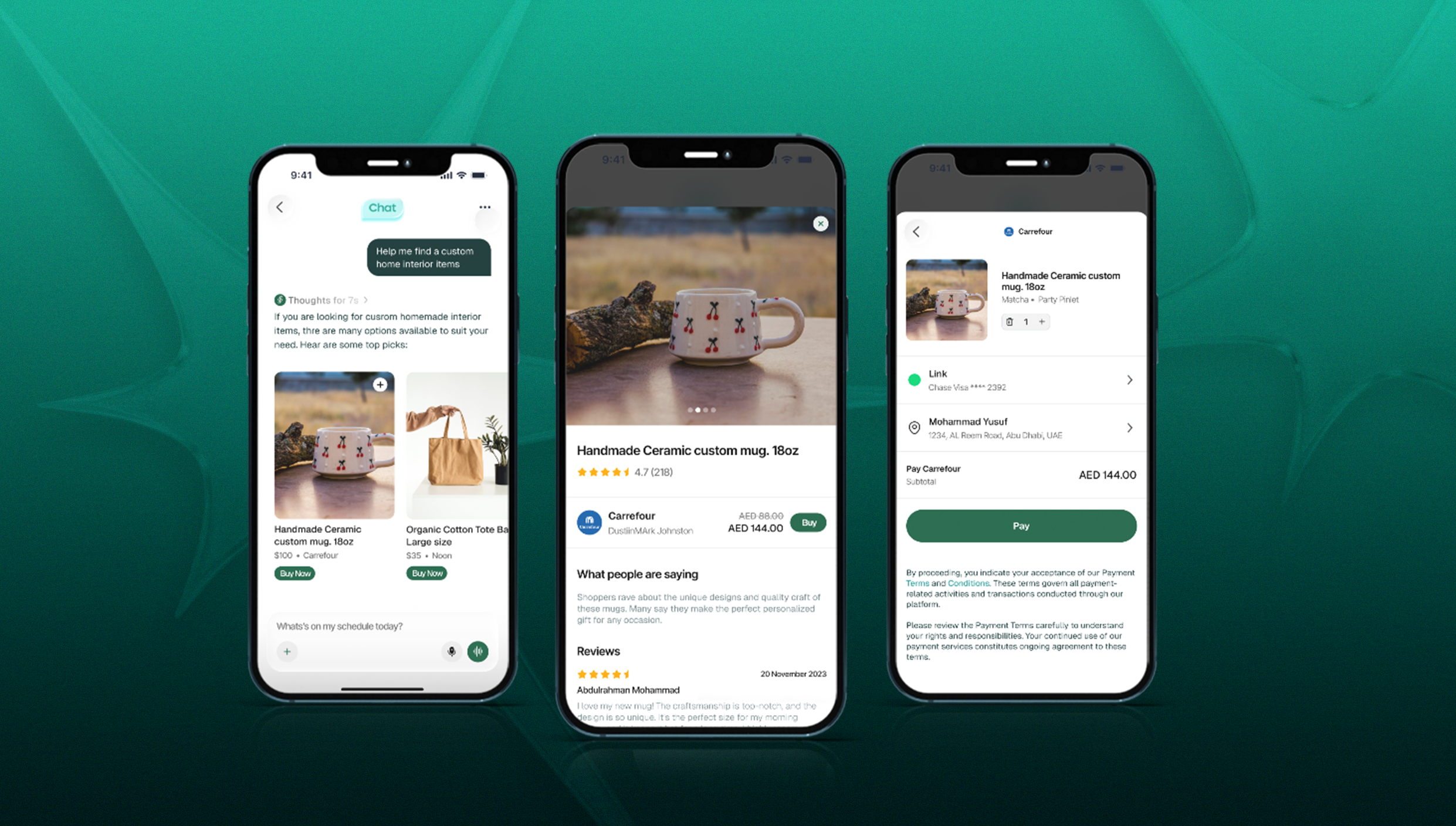
A boutique e-commerce fashion retailer. The problem is that the retailer struggled in providing customer service. Their customer service team works under pressure during peak seasons, which leads to delayed responses. The solution: AI-powered chatbot capable of handling customer inquiries, tracking orders, and providing personalized style recommendations. They use a CRM system, a chatbot to purchase data. The Results: around 50% reduction in response times, around 40% increase in customer satisfaction scores, and 25% increase in sales. AI is not only a tool it is also a part of the strategy.
To conclude, this article has shown the mistakes small and medium sized enterprises make when starting with artificial intelligence, where artificial intelligence can actually help these businesses and the factors that drive their growth. Artificial intelligence can help medium sized enterprises achieve faster results and make better decisions. Every small and medium sized enterprise should ask itself whether it is using intelligence as a tool or, as a strategy. The businesses that choose to use intelligence as a strategy are the ones that will be leading the future. Medium sized enterprises should think about how artificial intelligence can help them grow and compete and they should start using it as a growth strategy. Artificial intelligence is not a tool it is a way for small and medium sized enterprises to achieve their goals and become more successful.