
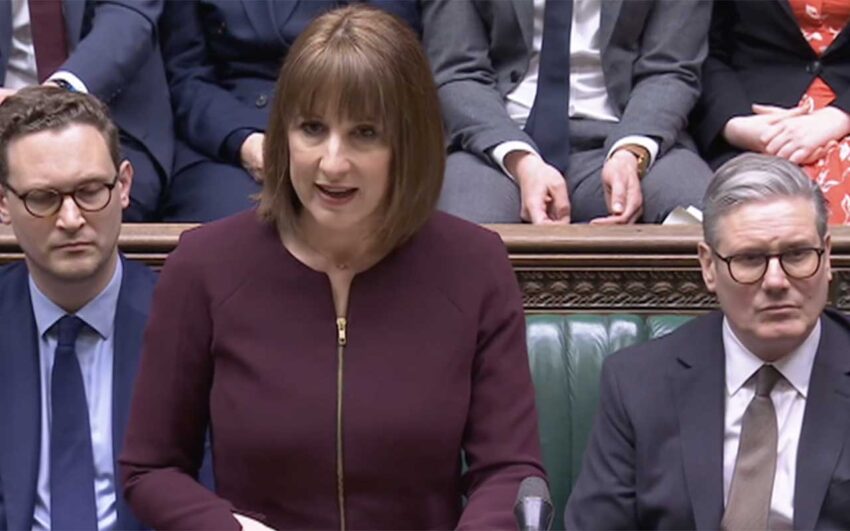
Financial experts and industry figures are urging Chancellor Rachel Reeves to reconsider controversial plans to cap National Insurance relief on pension contributions at £2,000 a year, warning the move could undermine long-term savings and disrupt workplace pension schemes.
The proposal, currently under scrutiny in the House of Lords, would limit the amount of National Insurance relief available on pension contributions made through salary sacrifice arrangements. Critics argue that while the policy is framed as a measure to improve fairness, it risks acting as a disincentive to save and could have unintended consequences for both employees and employers.
Peers have already signalled concern, submitting amendments to raise the cap to £5,000. The revised legislation is expected to return to the House of Commons next week, setting up a potential flashpoint in the government’s wider fiscal strategy.
At the heart of the debate is the role salary sacrifice schemes play in encouraging pension contributions. These arrangements allow employees to exchange a portion of their salary for pension contributions, reducing both income tax and National Insurance liabilities while boosting retirement savings.
Nouran Moustafa, Practice Principal and independent financial adviser at Roxton Wealth, warned that imposing a £2,000 cap could have a material impact on long-term financial outcomes. She argued that the measure risks eroding retirement pots by tens of thousands of pounds over time due to lost compounding, while also weakening the behavioural incentives that encourage consistent saving.
For policymakers, she suggested, the trade-off is stark: short-term fiscal gains versus long-term retirement adequacy. By reducing incentives, participation in pension schemes could decline, potentially increasing future reliance on the state.
Other advisers echoed concerns that the policy could destabilise employer-backed pension structures. Rob Mansfield, an independent financial adviser at Rootes Wealth Management, said repeated changes to pension rules risk damaging confidence in the system altogether.
He pointed to the broader objective of fostering a savings culture, arguing that frequent policy adjustments could discourage individuals from committing to long-term financial planning. There are also doubts over whether the measure would deliver the expected tax revenues, as businesses may restructure remuneration to mitigate the impact.
From an employer perspective, the proposed cap could introduce additional complexity and cost. Kate Underwood, founder of Kate Underwood HR and Training, described the move as a “blunt tax grab dressed up as fairness”, warning it could force companies to rethink salary sacrifice schemes that have become a standard part of remuneration strategies.
She noted that many small and medium-sized businesses rely on these arrangements as a practical way to enhance pension provision without escalating direct salary costs. Introducing additional <a href="https://bmmagazine.co.uk/news/british-businesses-brace-for-fresh-downturn-amid-rising-costs-and-tax-burdens/”>National Insurance burdens, she said, could lead to schemes being scaled back or scrapped entirely, with knock-on effects for employee engagement and morale.
There are also concerns that the cap could affect a broader group than intended. While the policy is often positioned as targeting higher earners, advisers argue it may also capture mid-career professionals who are increasing contributions later in life to catch up on retirement savings.
Rohit Parmar-Mistry, founder of Pattrn Data, said a hard cap risks penalising exactly those individuals who are finally in a position to save meaningfully. He suggested a more targeted or tapered approach would better address concerns about excessive tax advantages without discouraging responsible saving behaviour.
The debate comes at a time when the government is under increasing pressure to balance fiscal discipline with policies that support long-term economic resilience. Pension savings are widely seen as a critical component of that balance, reducing future pressure on public finances while supporting individual financial security.
With the legislation now moving back to the Commons, the coming weeks are likely to prove decisive. For businesses, advisers and savers alike, the outcome will signal whether the government intends to prioritise short-term revenue generation or maintain the incentives that underpin the UK’s workplace pension system.
For now, the message from across the industry is clear: any reform must be carefully calibrated. A policy designed to promote fairness, they argue, should not come at the cost of weakening one of the most effective mechanisms for building long-term financial stability.